We’re proudly accepting CDCP—affordable, quality dental care made easy. Schedule your visit today!

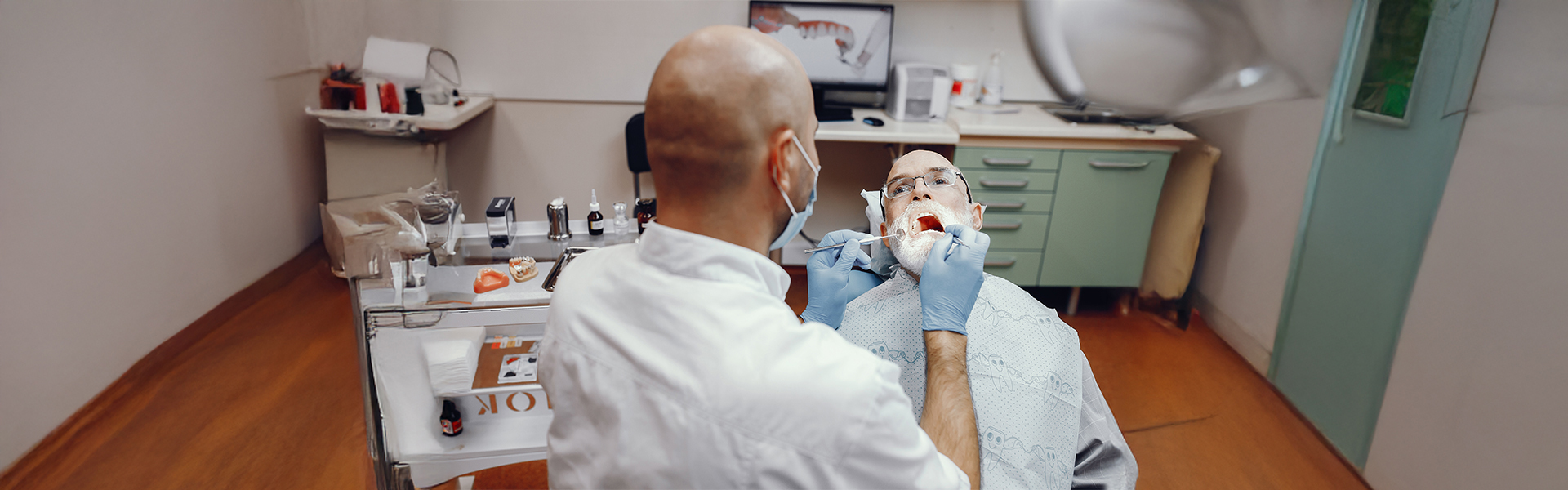
A strong smile starts with a strong foundation. When that foundation weakens, your oral health and confidence can both take a hit. Through bone grafting in Whitby, ON, patients in the area can restore lost bone, strengthen their jaw, and regain lasting stability for future treatments. This trusted solution rebuilds what time, injury, or disease may have taken away.
Tooth Loss and Jawbone Deterioration
Each tooth anchors to the jawbone through its root. When a tooth is lost, the bone beneath begins to shrink from lack of stimulation. Over time, this quiet change can alter your facial shape and bite. A bone graft restores lost structure, encouraging natural bone growth and creating a solid base for future restorations like dental implants.
Gum Disease and Its Impact on Bone Health
Gum disease is another leading reason for bone loss. In its latest stage, the infection spreads beneath the gums and begins destroying the bone that holds your teeth in place. When this happens, teeth may loosen or shift, and in severe cases, fall out altogether.
Bone grafting helps repair the damage left behind by gum disease. Once the infection is treated, grafting restores the structure needed for stability. It gives patients a chance to regain lost support and helps prevent further shifting of nearby teeth.
Trauma or Injury Leading to Bone Loss
Accidents, sports injuries, or even a fall can cause jaw fractures or bone loss. In some cases, the trauma damages both the tooth and the surrounding bone, leaving gaps that make chewing painful or uneven.
A graft replaces the missing bone tissue, allowing the jaw to heal properly. It also keeps the area ready for restoration later. Patients often find that the graft not only restores strength but also improves the natural shape of the jawline. This can have both functional and cosmetic benefits.
Developmental Defects Affecting Jawbone Growth
Some people are born with natural irregularities in bone structure. These developmental conditions can make certain parts of the jaw too thin or uneven to support teeth. Grafting offers a way to correct these areas, ensuring a balanced and stable foundation for future care.
In these cases, grafting is not just about repair but improvement. It helps create symmetry and supports long-term oral function. Many patients experience better comfort while chewing and speaking after their bone structure is restored.
Bone Grafting for Dental Implant Preparation
One of the most common reasons for bone grafting is to prepare the jaw for future implants. When a tooth is lost, the bone surrounding it can become thin or weak. A graft restores strength by filling and rebuilding this area. As new bone grows and fuses with the graft, it creates a solid foundation for secure implant placement and long-lasting missing teeth replacement results.
Types of Bone Grafts Used in Dentistry
There are several kinds of dental bone grafts, each designed to meet different needs:
- Autograft: Uses bone from your own body, often from the chin or hip.
- Allograft: Uses bone from a human donor that’s carefully processed for safety.
- Xenograft: Uses bone from another species, often bovine, that your body slowly replaces with natural bone over time.
- Synthetic graft: Made from minerals that mimic real bone and help stimulate new growth.
Your dentist will choose the best type based on your health, treatment goals, and timeline. Each approach has been tested and proven safe through decades of clinical success.
Who Is a Good Candidate for a Dental Bone Graft?
Not everyone needs a graft, but many people can benefit from one. You might be a good candidate if:
- You’ve lost one or more teeth and plan to get replacements.
- You have gum disease that has caused bone loss.
- You’ve had facial trauma or jaw surgery.
- You want to improve the shape or balance of your jawline.
A skilled dentist in Whitby will evaluate your bone structure through digital scans and imaging. From there, they can recommend the most effective plan. The procedure is often done with local anesthesia and involves minimal discomfort. Most patients return to their normal routine within a few days.
Final Thoughts
Rebuilding your smile starts with restoring your foundation. Bone grafting strengthens your jaw, supports lasting dental work, and protects your oral health for years ahead. The caring team at Brooklin Village Dental Care offers personalized, gentle treatment to help you smile with confidence again. Book your consultation today and discover how professional care can renew your smile’s strength and beauty.